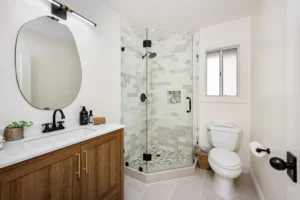
Shower conversions are one of the most popular bathroom remodeling projects for homeowners who want to improve accessibility, modernize their space, or make better use of their bathrooms. With the rise of online tutorials and DIY guides, many homeowners are tempted to tackle these projects themselves.
While DIY projects can be rewarding, shower conversions are more complex than they appear, and mistakes can lead to costly repairs, water damage, or safety hazards. Understanding the most common DIY mistakes can save time, money, and frustration—and help you decide when to call in a professional.
1. Failing to Plan Properly
A lack of planning is the first and most common mistake homeowners make when attempting a DIY shower conversion. Proper planning includes:
- Measuring the existing space accurately.
- Deciding whether you’re doing a like-for-like replacement or relocating plumbing.
- Choosing the right type of shower, base, and wall system.
- Accounting for all necessary tools and materials.
Without a detailed plan, homeowners often discover mid-project that the shower base doesn’t fit, the plumbing isn’t compatible, or the walls don’t align correctly. This can lead to delays, added costs, and a final result that doesn’t function properly.
2. Ignoring Local Codes and Permits
Many DIYers overlook the legal requirements for bathroom remodeling. In New Jersey, for example:
- No permit is required for a like-for-like shower replacement or converting a tub to a shower without relocating the drain.
- Permits are required if the drain location changes or significant plumbing modifications are needed.
Ignoring permit requirements can result in fines, insurance complications, or problems when selling your home. Even if a permit isn’t required, following local codes ensures your shower conversion is safe, durable, and up to standard.
3. Choosing the Wrong Materials
Material selection is critical for a long-lasting, functional shower. Common DIY mistakes include:
- Using non-waterproof backer boards instead of cement boards behind tile.
- Selecting low-quality tiles or acrylic that scratch, crack, or discolor quickly.
- Choosing caulking or sealants not designed for high-moisture environments.
These choices can lead to mold growth, water damage, and costly replacements. Professionals understand which materials perform best in specific spaces, ensuring both durability and aesthetics.
4. Improper Waterproofing
Waterproofing is one of the most crucial aspects of any shower conversion. DIY mistakes often include:
- Skipping waterproof membranes or vapor barriers.
- Failing to seal seams and corners properly.
- Using paint or non-waterproof finishes where water will contact surfaces.
Even a small leak behind walls can cause significant structural damage over time, leading to mold, rot, and expensive repairs. Professional installers use industry-standard waterproofing methods to protect your home.
5. Incorrect Drain Installation
The drain is the heart of any shower. Common DIY errors include:
- Improperly sloping the shower floor, which can lead to pooling water.
- Failing to secure the drain tightly, resulting in leaks.
- Installing the wrong type of drain for the shower base or tile system.
Even minor mistakes with drainage can cause major headaches down the road. Correct installation ensures water flows efficiently, preventing damage and keeping your shower safe and hygienic.
6. Misaligning Shower Fixtures
Proper placement of showerheads, controls, and accessories is more complicated than it appears. DIYers often make mistakes such as:
- Installing controls too high or too low for comfort.
- Placing showerheads in awkward positions that spray water outside the shower.
- Misjudging space for grab bars or storage niches, which impacts accessibility and usability.
Professional contractors plan the layout carefully to maximize both function and comfort, ensuring every element is placed for convenience and safety.
7. Poor Tile Installation
Tile installation is one of the most common areas where DIYers run into trouble. Mistakes include:
- Uneven grout lines or poorly aligned tiles.
- Using the wrong type of adhesive or grout for wet areas.
- Not sealing grout properly, which can lead to water penetration and mold growth.
Even small errors in tile work can be noticeable, impacting the bathroom’s appearance and performance. Professionals ensure tiles are level, properly spaced, and sealed to last for years.
8. Neglecting Accessibility and Safety
For homeowners converting tubs to showers for aging-in-place or accessibility, safety is a key consideration. DIYers often overlook:
- Installing grab bars in the correct locations.
- Using slip-resistant flooring or mats.
- Including seating or low-threshold entry points.
A shower conversion that ignores accessibility features may look good but fail to meet the practical needs of the user, putting seniors or anyone with mobility issues at risk.
9. Inadequate Ventilation
Bathrooms are naturally humid, and proper ventilation is essential to prevent mold and mildew. DIYers often neglect to:
- Install an effective exhaust fan.
- Ensure ventilation ducts are clean and unobstructed.
- Use moisture-resistant materials around the shower.
Poor ventilation can quickly lead to moisture damage, peeling paint, and mold growth—problems that are costly and difficult to fix.
10. Underestimating Time and Effort
Many DIYers assume a shower conversion will be a quick weekend project, only to find themselves spending far more time and energy than expected. Tasks like demolition, plumbing adjustments, waterproofing, tile work, and finishing can take days or even weeks if you’re inexperienced.
Underestimating the effort can lead to rushed work, mistakes, and safety hazards. Professional installers complete the job efficiently and correctly, often in a single day, while you maintain access to your bathroom.
11. Overlooking Long-Term Maintenance
DIYers often focus solely on installation without considering long-term care. Mistakes include:
- Skipping proper sealing and caulking.
- Choosing finishes that are difficult to clean or prone to staining.
- Ignoring manufacturer maintenance recommendations for fixtures or shower bases.
A professional shower conversion includes guidance on maintenance and often uses materials designed to simplify cleaning and reduce future problems.
12. DIY Tools and Skill Limitations
Shower conversions require specialized tools and skills, from plumbing to tile cutting to sealing. Mistakes occur when homeowners attempt work beyond their experience level, such as:
- Using the wrong saw or adhesive.
- Incorrectly fitting plumbing connections.
- Misaligning walls, doors, or bases.
These errors may not be obvious initially, but they can cause leaks, uneven surfaces, and long-term damage that requires professional repair.
Why Hiring a Professional is Worth It
The number of potential mistakes highlights why professional installation is often the safer and more cost-effective choice. Licensed contractors bring:
- Expertise in planning and layout.
- Knowledge of local codes and permit requirements.
- High-quality materials and installation techniques.
- Efficiency and minimal disruption.
- Warranties for labor and materials, providing peace of mind.
A professional shower conversion may cost more upfront, but it prevents costly repairs, ensures safety, and delivers a beautiful, long-lasting result.
Final Thoughts
DIY shower conversions can be tempting, especially for homeowners who enjoy hands-on projects. However, the most common mistakes—poor planning, improper waterproofing, misaligned fixtures, and ignoring safety—can turn a seemingly simple project into a costly headache.
By understanding the risks and complexities, homeowners can make an informed decision: attempt a small, simple task themselves or hire a trusted professional for a full conversion. With expert guidance, your new shower will not only look great but also function safely and efficiently for years to come.
Whether you’re upgrading for accessibility, safety, or style, a professionally installed shower conversion ensures peace of mind, lasting performance, and a bathroom that truly meets your needs.