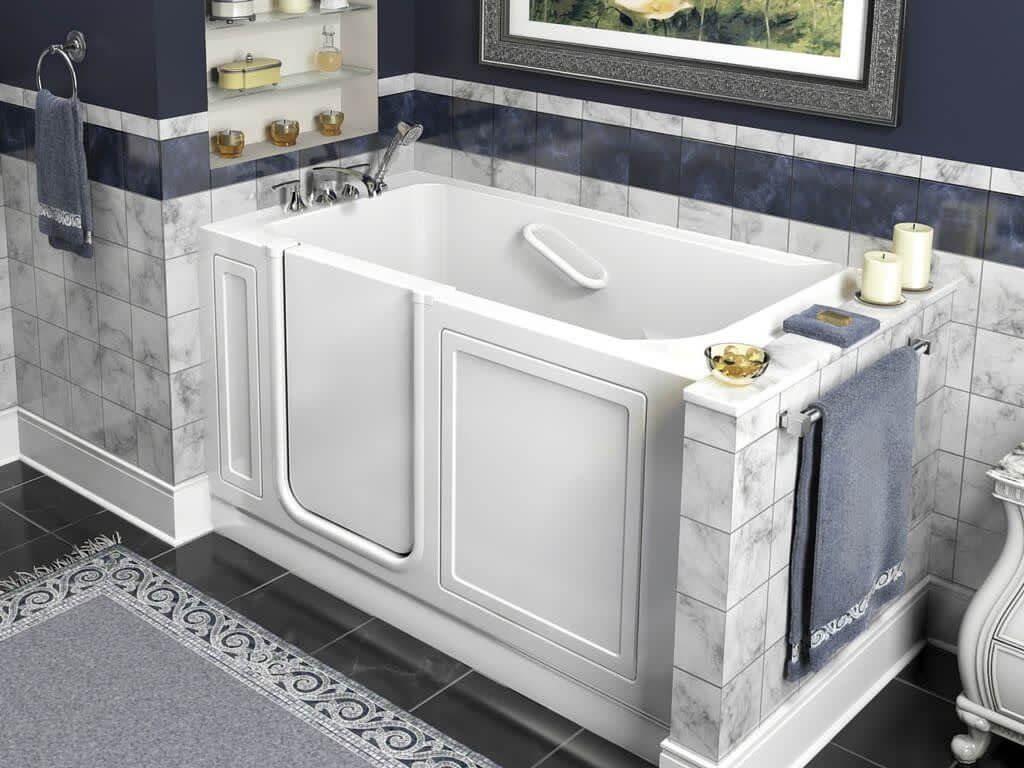
Walk-in tubs and accessible showers are excellent upgrades for homeowners looking to make their bathrooms safer, more convenient, and more functional. Whether you’ve installed a walk-in tub to enjoy therapeutic hydrotherapy or chosen an accessible shower for easier entry, these features are designed to provide long-lasting comfort and independence.
However, like any major fixture in your home, regular maintenance is key to keeping your walk-in tub or accessible shower in excellent condition. With proper care, you’ll not only protect your investment but also ensure it remains safe, hygienic, and fully functional for years to come.
In this guide, we’ll explore everything you need to know about maintaining your walk-in tub or accessible shower, from daily cleaning routines to long-term upkeep tips.
Why Maintenance Matters
A walk-in tub or accessible shower is more than just a bathroom feature—it’s a tool for comfort, safety, and health. Maintenance matters for several important reasons:
- Safety: Slippery buildup or malfunctioning components can increase the risk of falls.
- Durability: Routine cleaning prevents wear and tear, extending the lifespan of your tub or shower.
- Hygiene: Regular upkeep helps eliminate mold, mildew, and bacteria that thrive in damp environments.
- Performance: Hydrotherapy jets, drains, and seals function best when they’re cleaned and inspected consistently.
By following a proper maintenance routine, you’ll avoid costly repairs and keep your bathroom a safe and enjoyable space.
Daily and Weekly Cleaning
Wipe Down Surfaces
After every use, it’s a good idea to quickly rinse and wipe down the walls, doors, and base of your walk-in tub or shower. This prevents soap scum and hard water deposits from building up.
Use a soft cloth or non-abrasive sponge with warm water. Avoid steel wool or harsh scrubbers, which can scratch acrylic, fiberglass, or tile surfaces.
Use Gentle Cleaners
For weekly cleaning, a mild bathroom cleaner or a mix of vinegar and water is usually sufficient. Spray the surfaces, let the cleaner sit for a few minutes, and then wipe or rinse thoroughly.
Avoid bleach or strong chemicals unless the manufacturer specifically recommends them. Harsh cleaners can damage finishes, seals, and caulking.
Keep Glass Sparkling
If your accessible shower has glass doors, wipe them down with a squeegee after each use to prevent water spots. A solution of vinegar and water also works well to cut through mineral deposits.
Special Care for Walk-In Tubs
Walk-in tubs are unique because of their doors, seals, and—often—their hydrotherapy features. Here’s how to keep them in top shape:
Clean the Door Seal
The watertight door seal is one of the most important parts of a walk-in tub. Wipe it down regularly to remove soap residue and prevent mold. Once a month, apply a manufacturer-approved conditioner or petroleum jelly to keep the seal flexible.
Rinse the Jets
If your tub has whirlpool or air jets, they need regular cleaning to prevent buildup. Once a month, fill the tub with warm water, add a cup of vinegar or a small amount of low-foaming cleaner, and run the jets for 10–15 minutes. Drain the tub, refill with clean water, and run the jets again to rinse.
Drain Care
Always let the tub drain fully after each use. If you notice slow drainage, it may be time to clear the drain or check for a partial clog. Avoid pouring harsh chemical drain cleaners into the system; use a plumber’s snake or call a professional if needed.
Special Care for Accessible Showers
Accessible showers often have features like low-threshold bases, grab bars, and built-in seating. Maintaining these areas ensures both safety and comfort.
Scrub the Floor
The shower floor gets the most use and can develop soap scum or slippery residue. Use a non-abrasive brush and gentle cleaner weekly to keep it textured and slip-resistant.
Inspect Grab Bars
Check grab bars and handrails monthly to make sure they are securely fastened. Tighten any loose screws and clean the bars with mild soap and water.
Maintain Shower Doors and Tracks
If your shower has sliding glass doors, clean the tracks to prevent debris buildup that can cause sticking. Use a small brush or toothbrush with warm soapy water.
Keep Fixtures Polished
Showerheads, faucets, and handheld sprayers should be wiped regularly to prevent hard water buildup. For clogged nozzles, soak the showerhead in vinegar for 30 minutes, then rinse.
Preventing Mold and Mildew
Bathrooms are naturally humid environments, which makes them a prime breeding ground for mold and mildew. Keeping your walk-in tub or shower mold-free is crucial for both health and safety.
- Ventilation: Always run an exhaust fan or open a window after using your tub or shower.
- Dry Surfaces: Wipe down wet areas after bathing to minimize moisture.
- Seal Maintenance: Check caulking and seals around the base, doors, and fixtures. Reapply caulk as needed to prevent leaks.
- Dehumidifier Use: In especially damp bathrooms, a small dehumidifier can help control moisture levels.
Seasonal and Long-Term Maintenance
In addition to regular cleaning, schedule periodic maintenance throughout the year:
Every 3 Months
- Inspect seals, caulking, and grout. Re-seal or repair if necessary.
- Check fixtures for drips or leaks.
- Rinse and flush hydrotherapy systems in walk-in tubs.
Every 6 Months
- Deep clean showerheads and fixtures to remove mineral buildup.
- Inspect and tighten hardware, including grab bars, handles, and doors.
- Check for soft spots or cracks in the shower base or tub floor.
Every Year
- Schedule a professional inspection if your walk-in tub includes complex features like heated seats or advanced hydrotherapy systems.
- Replace worn-out components like shower hoses or seals.
- Refresh grout or reseal tile for waterproofing.
Safe Cleaning Practices
Since accessibility is often the goal of these bathroom upgrades, safe cleaning practices are just as important as the cleaning itself.
- Avoid Slippery Products: Don’t use oily cleaners that can make floors slippery.
- Non-Abrasive Tools: Stick with soft sponges, microfiber cloths, or gentle brushes.
- Proper Storage: Keep cleaning supplies stored away from the bathing area to avoid spills or hazards.
If bending or scrubbing is difficult, consider using long-handled cleaning tools designed for showers and tubs.
When to Call a Professional
Some issues are best left to a professional bathroom contractor or plumber. Call for help if you notice:
- Water pooling outside the tub or shower.
- Persistent mold growth that cleaning doesn’t solve.
- Jets that no longer work after cleaning.
- Cracks or damage to the base, walls, or door.
Regular professional maintenance can also extend the lifespan of your tub or shower and ensure everything is safe for long-term use.
Final Thoughts
Your walk-in tub or accessible shower is a valuable investment in comfort, safety, and independence. With proper maintenance, these features can serve you reliably for many years, allowing you to bathe with confidence and peace of mind.
By adopting simple daily cleaning habits, addressing mold and mildew early, and scheduling regular inspections, you’ll keep your bathroom not only functional but also beautiful.
And if you ever run into issues beyond basic upkeep, working with a trusted bathroom remodeling contractor ensures your walk-in tub or accessible shower stays in top condition.