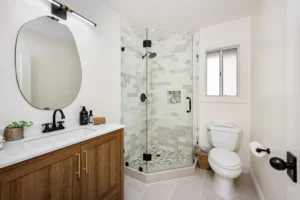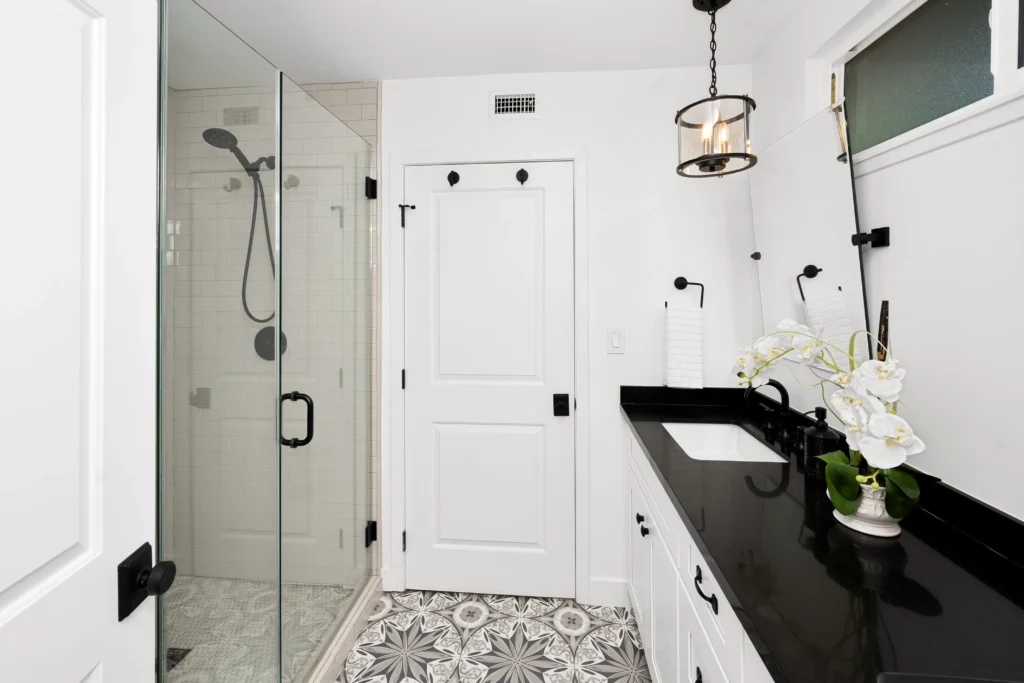
For many homeowners, a tub-to-shower conversion is one of the most practical and impactful upgrades they can make to their bathroom. Whether you’re aiming for improved accessibility, a modern look, or simply want to make better use of space, replacing your bathtub with a shower can completely transform your bathroom’s function and appearance.
If you’re considering this project, you’re not alone. Tub-to-shower conversions have become one of the most requested remodeling services across New Jersey and beyond. This guide will walk you through the step-by-step process of a tub-to-shower conversion, so you know exactly what to expect from start to finish.
Why Convert a Tub to a Shower?
Before diving into the process, it’s worth noting why so many homeowners are making the switch:
- Accessibility – Showers, especially walk-in designs, are safer and easier for seniors or anyone with mobility challenges.
- Modern Appeal – A sleek shower often looks more contemporary and can instantly update an older bathroom.
- Space Efficiency – Showers take up less space, freeing up valuable square footage in smaller bathrooms.
- Daily Use – Many families rarely use their tubs. A shower can be more practical for daily routines.
Step 1: Planning and Design
The first step in any successful bathroom remodeling project is planning. During this stage, you’ll work with your contractor to determine:
- Shower Type – Walk-in, corner, or alcove shower?
- Shower Base and Size – Standard dimensions, custom sizes, or barrier-free options.
- Materials – Tile, acrylic, stone, or solid-surface walls.
- Fixtures – Showerhead style, grab bars, built-in shelving, or benches.
- Style Preferences – Modern minimalism, spa-inspired, or classic elegance.
Your contractor may also assess your bathroom layout to see if the plumbing and drain location will stay the same or require modification. This matters because, in New Jersey, permits are only required if the drain is being relocated.
Step 2: Site Preparation
Before demolition begins, your contractor will prepare the space:
- Protecting floors and nearby rooms with drop cloths.
- Turning off the water supply.
- Covering vents and minimizing dust spread.
Good preparation helps keep the project clean and prevents unnecessary damage to the rest of your home.
Step 3: Tub Removal
The old bathtub needs to be removed carefully. This process usually includes:
- Removing the faucet, drain, and overflow.
- Detaching the tub from the wall and flooring.
- Cutting the tub (if necessary) into smaller pieces for safe removal.
This is the messiest part of the project, but once the tub is gone, the space is ready for its transformation.
Step 4: Plumbing Adjustments
Once the tub is out, the plumbing is exposed. Your contractor will:
- Inspect existing pipes for wear or leaks.
- Make any necessary adjustments for the new shower fixtures.
- Determine if the drain location can remain or must be shifted.
Remember: No permits are needed for tub-to-shower conversions in New Jersey unless the drain is moved. If the drain stays put, the project moves faster and more cost-effectively.
Step 5: Shower Base Installation
The shower base (also called a shower pan) is installed next. This forms the foundation of your new shower. Homeowners can choose from:
- Prefabricated Bases – Acrylic or fiberglass, available in standard sizes.
- Custom Tile Bases – Ideal for unique shapes or barrier-free designs.
- Low-Threshold Bases – Perfect for accessibility and easy entry.
A properly installed shower base ensures water drains correctly and prevents leaks.
Step 6: Wall System Installation
Once the base is set, the shower walls are installed. Options include:
- Acrylic or Fiberglass Surrounds – Durable, easy to clean, and quick to install.
- Tile Walls – Classic and customizable, offering endless design possibilities.
- Solid-Surface Panels – Sleek, grout-free, and low maintenance.
Contractors will waterproof the area behind the walls with backer boards and sealants to ensure long-term durability.
Step 7: Fixtures and Accessories
This is where your shower starts coming to life. Your contractor will install:
- Showerhead and Valve – Rainfall, handheld, or multi-function options.
- Grab Bars – For added safety and accessibility.
- Built-In Storage – Shelves, niches, or corner caddies.
- Shower Doors or Curtain Rods – Glass doors add style and keep water contained.
If accessibility is your goal, this is also when benches, fold-down seating, or low-threshold entryways are added.
Step 8: Flooring and Finishing Touches
With the shower in place, the surrounding bathroom flooring may be repaired or updated to match the new design. Finishing touches include:
- Sealing tile grout.
- Adding trim or caulking for a polished look.
- Painting walls or touching up areas around the new shower.
These details complete the look and ensure your shower feels like a seamless part of the bathroom.
Step 9: Cleanup and Final Inspection
A professional remodeler won’t just leave you with debris. The final steps include:
- Thorough cleanup of the work area.
- Testing water pressure, drainage, and seals.
- Walking you through your new shower and features.
Some contractors will also provide tips for cleaning and maintaining your new shower so it looks beautiful for years to come.
How Long Does a Tub-to-Shower Conversion Take?
One of the best parts about this project is its efficiency. Most professional tub-to-shower conversions can be completed in as little as one to three days, depending on the scope. More complex designs involving plumbing relocation or custom tile work may take longer.
Final Thoughts
A tub-to-shower conversion is one of the smartest bathroom remodeling investments you can make. Not only does it modernize your space, but it also makes daily life safer and more convenient.
By understanding the step-by-step process—from planning and demolition to installation and finishing touches—you’ll know exactly what to expect and can approach your project with confidence.
Whether you’re in New Jersey or beyond, choosing an experienced bathroom remodeling contractor ensures the job is done quickly, safely, and beautifully.